
In a world that often feels chaotic and filled with outrage, it's essential to find ways to manage our emotions effectively. Today, we're diving into the transformative power of saying no to anger and yes to healing and forgiveness. Through insights from the Apostle Paul’s teachings in Romans, thoughts from ancient philosophers, and practical advice for everyday life, we will explore how to navigate those moments when anger flares up and how to cultivate a more peaceful existence.
The Power of Saying No
We often find ourselves saying yes too often, whether it’s to worries, frustrations, or even anger. This four-week series, "The Power of No," encourages us to examine what we need to let go of to live more fulfilling lives. Last week, we discussed the importance of saying no to worry, especially as we navigate the challenges of our time.
Worry can consume us, but recognizing its power and choosing to say no can lead to a more peaceful mindset. It's not about ignoring our problems; it's about reframing how we approach them. This week, let’s focus on another significant emotion: anger.
The Impact of Unexamined Anger
Anger is a natural human emotion, but when left unchecked, it can create barriers in our relationships. It drives wedges between spouses, turns parents into strangers to their children, and can ruin friendships before they even have a chance to blossom. Imagine the consequences of letting anger dictate our responses—it can lead to regret and hurtful words that we can never take back.
As we reflect on our experiences, it’s crucial to recognize that while we cannot always control how we feel, we can control how we respond to those feelings. The key lies in examining our anger rather than letting it control us.
One of my favorite cartoon characters that embodies this exaggerated anger is Yosemite Sam. He would get so worked up that it became comical. However, reflecting on his antics, we can find a lesson: we don't want to throw tantrums like him. Instead, we should strive for introspection and maturity in how we handle our emotions.
Choosing a Better Way
The Apostle Paul offers wisdom in Romans about how to manage our emotions. He writes, "Rejoice in our confident hope, be patient in trouble, and keep on praying." This passage encourages us to focus on positive actions rather than being consumed by negativity.
Paul continues with practical advice on how to interact with others, emphasizing hospitality, blessing those who persecute us, and living in harmony. These teachings serve as a reminder that our responses can either foster connection or create division.
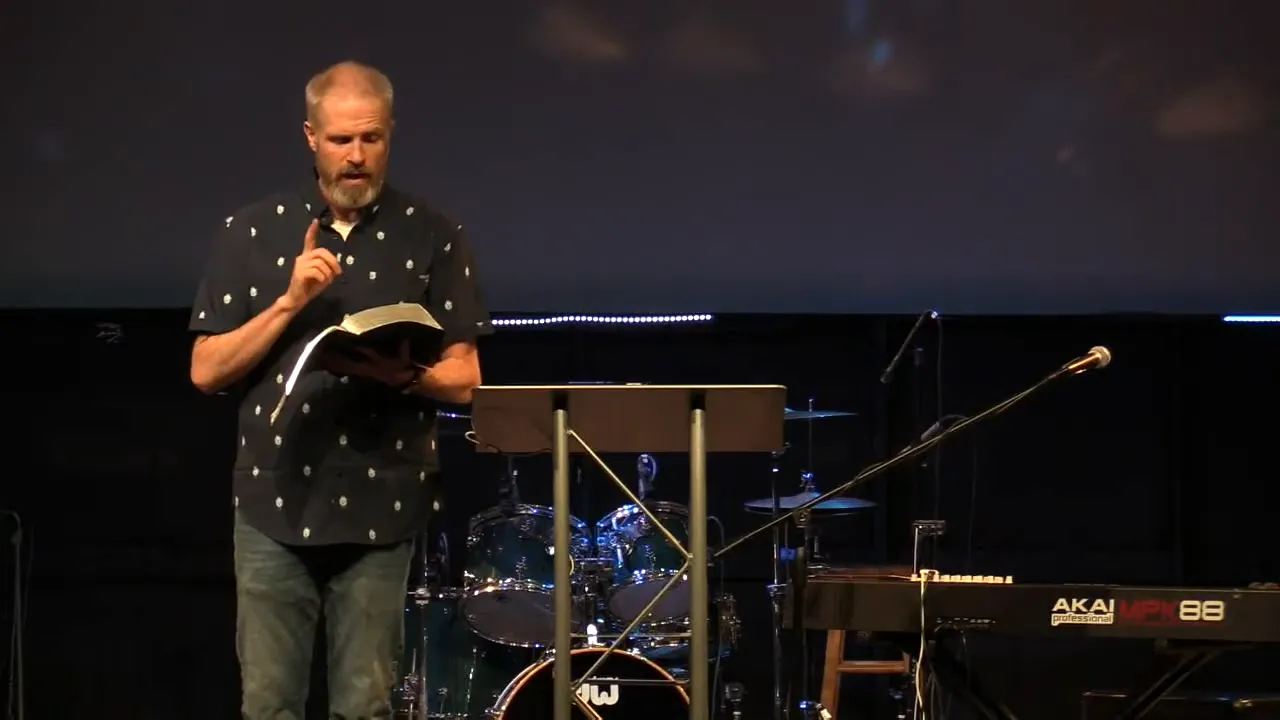
When we choose to respond to anger with patience and understanding, we open the door to healing. It’s about saying no to anger and yes to the possibility of reconciliation and peace. Paul’s words challenge us to do everything we can to live in peace with everyone.
The Challenge of Anger in Today's World
In today’s society, anger often feels like a competition. Who can be the angriest? Who can shout the loudest? This environment makes it difficult not to fall into the trap of anger ourselves. Yet, we are called to rise above this cultural norm.
Unchecked anger builds walls between us and the people we love most. It isolates us from the peace God desires for us and the person we are meant to be. Paul’s teachings remind us to actively seek peace and understanding, even when it feels countercultural.
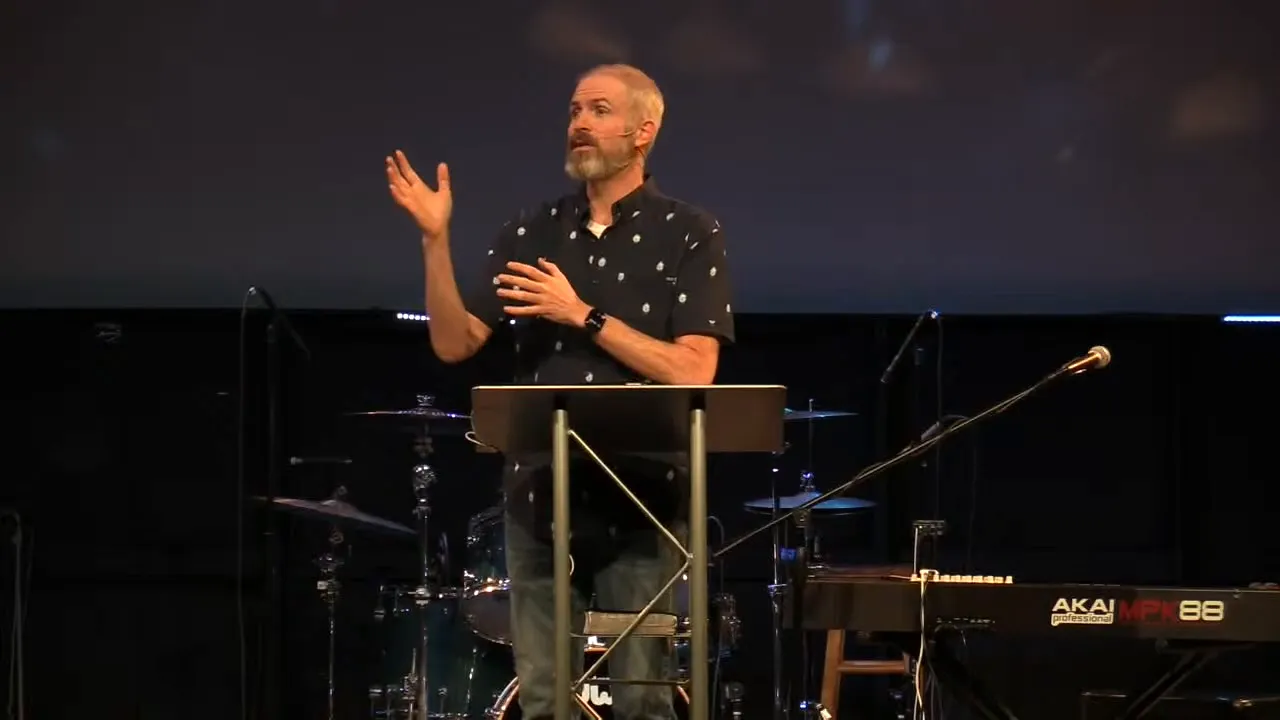
Paul’s exhortation to "conquer evil by doing good" is a powerful call to action. It challenges us to respond to negativity with positivity, to break the cycle of anger and hurt with kindness and understanding.
Mastering Anger: The Unseen Value
As we navigate our emotions, we must acknowledge the difficulty of saying no to anger. It’s easy to give in to frustration, especially when we feel wronged. However, learning to pause before reacting can be transformative.
Groucho Marx famously said, "If you speak when angry, you'll make the best speech you'll ever regret." This encapsulates the essence of the challenge we face. We need to find ways to pause, reflect, and respond thoughtfully rather than react impulsively.
Path to Inner Peace
So, how do we cultivate this inner peace? Here are three practices that can help:
- Push Pause: When you feel anger rising, take a moment to breathe. Step back from the situation and give yourself time to think. This pause can prevent impulsive reactions that lead to regret.
- Pray: Engage in prayer or meditation. Seek guidance and clarity during moments of anger. Just as Jesus prayed for those who wronged Him, we can seek divine help to respond with grace rather than anger.
- Pursue Peace: Actively look for ways to resolve conflicts peacefully. Whether it’s through open communication or acts of kindness, seeking peace should be our goal.
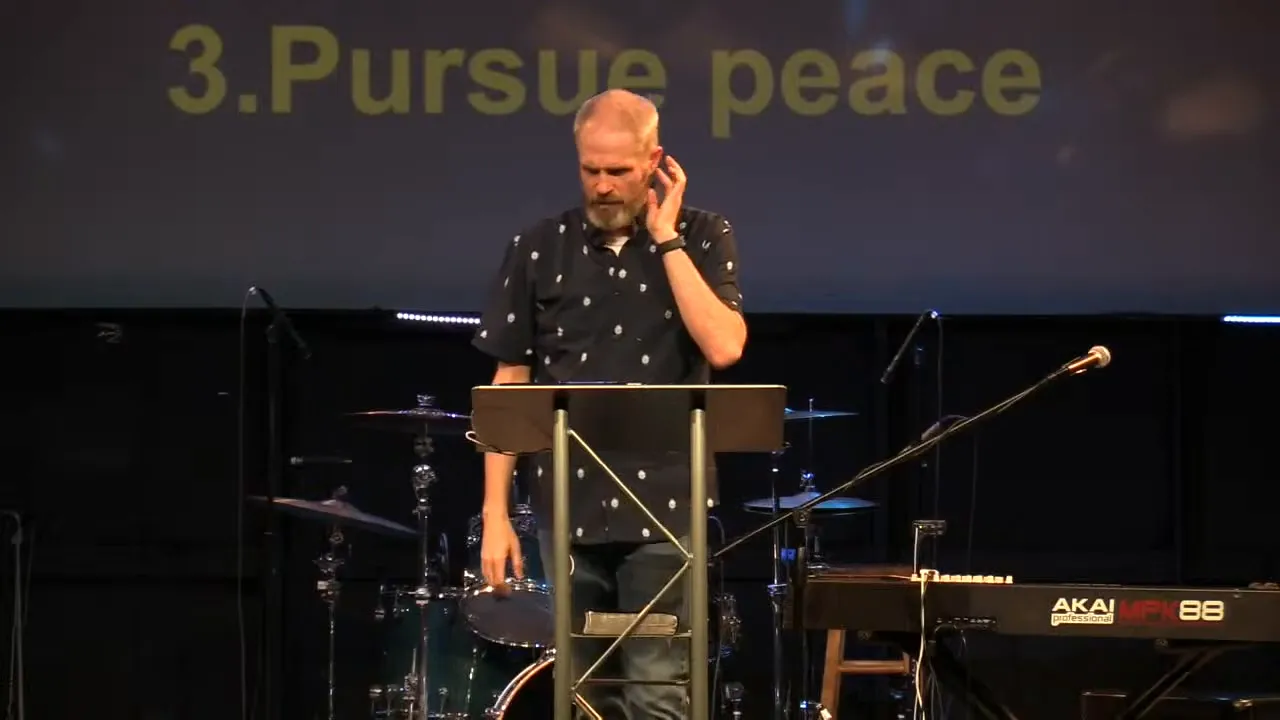
These practices may take time to develop, but consistency will lead to growth. Remember, anger is a natural emotion, but how we choose to respond is where our power lies. By practicing these steps, we can learn to manage our anger and foster healthier relationships.
Choosing Healing Over Anger
Ultimately, the call to let go of anger is a call to embrace healing. When we choose to forgive, we release the burdens that anger brings. C.S. Lewis reminds us, "To be a Christian means to forgive the inexcusable because God has forgiven the inexcusable in you." This perspective shifts our focus from the offense to the opportunity for grace and understanding.
Imagine a world where we respond to insults and frustrations with empathy rather than anger. This shift requires practice, but it begins with a decision to say no to anger and yes to forgiveness and understanding.
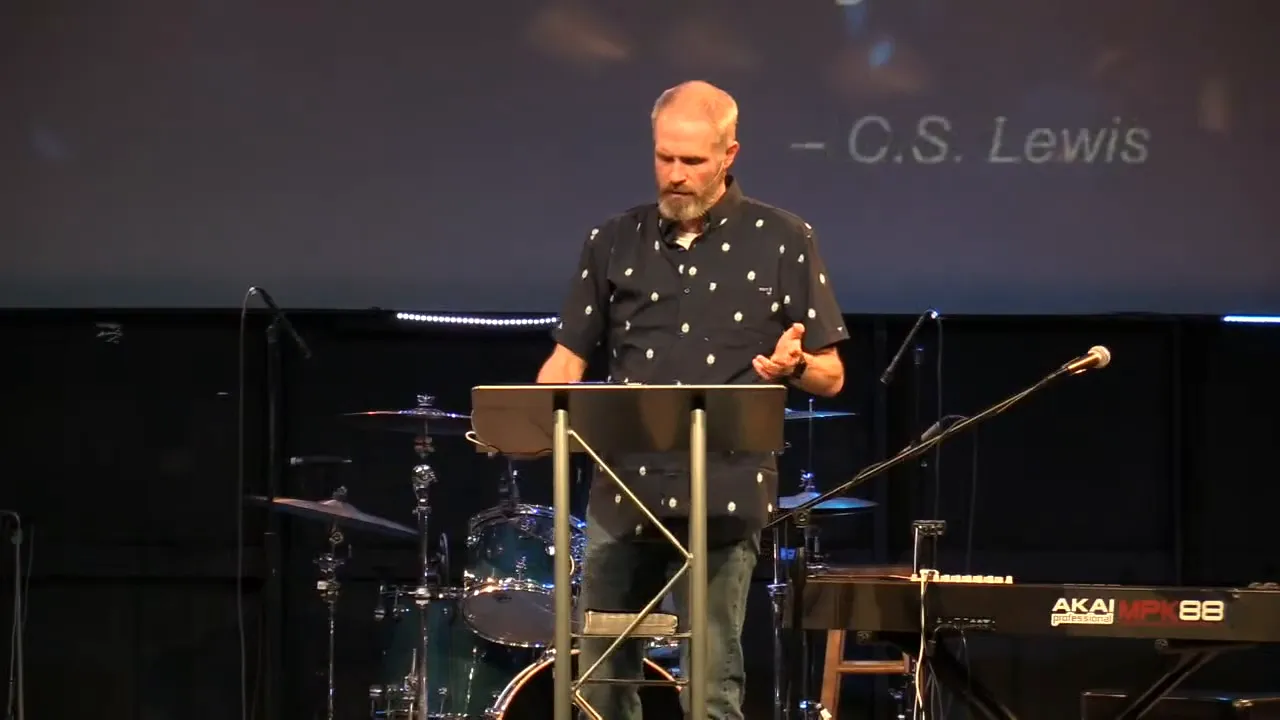
In conclusion, saying no to anger opens doors to healing and deeper relationships. It allows us to live out the teachings of Jesus, who modeled forgiveness and love even in the face of adversity. As we embark on this journey, let’s commit to saying no to anger and yes to the transformative power of healing and forgiveness.
Join us in this journey toward peace and understanding, and let’s explore how we can implement these practices in our daily lives. Together, we can create a community that embodies love, patience, and grace.